If you own an electric vehicle in Rockingham, a dedicated home charger can make charging more convenient. Instead of depending only on public charging stations, you can charge your EV at home when it suits your daily routine.
Before arranging EV Charger Installation Rockingham, it is important to consider your home’s electrical capacity, switchboard condition, charger location, vehicle requirements and future energy needs.
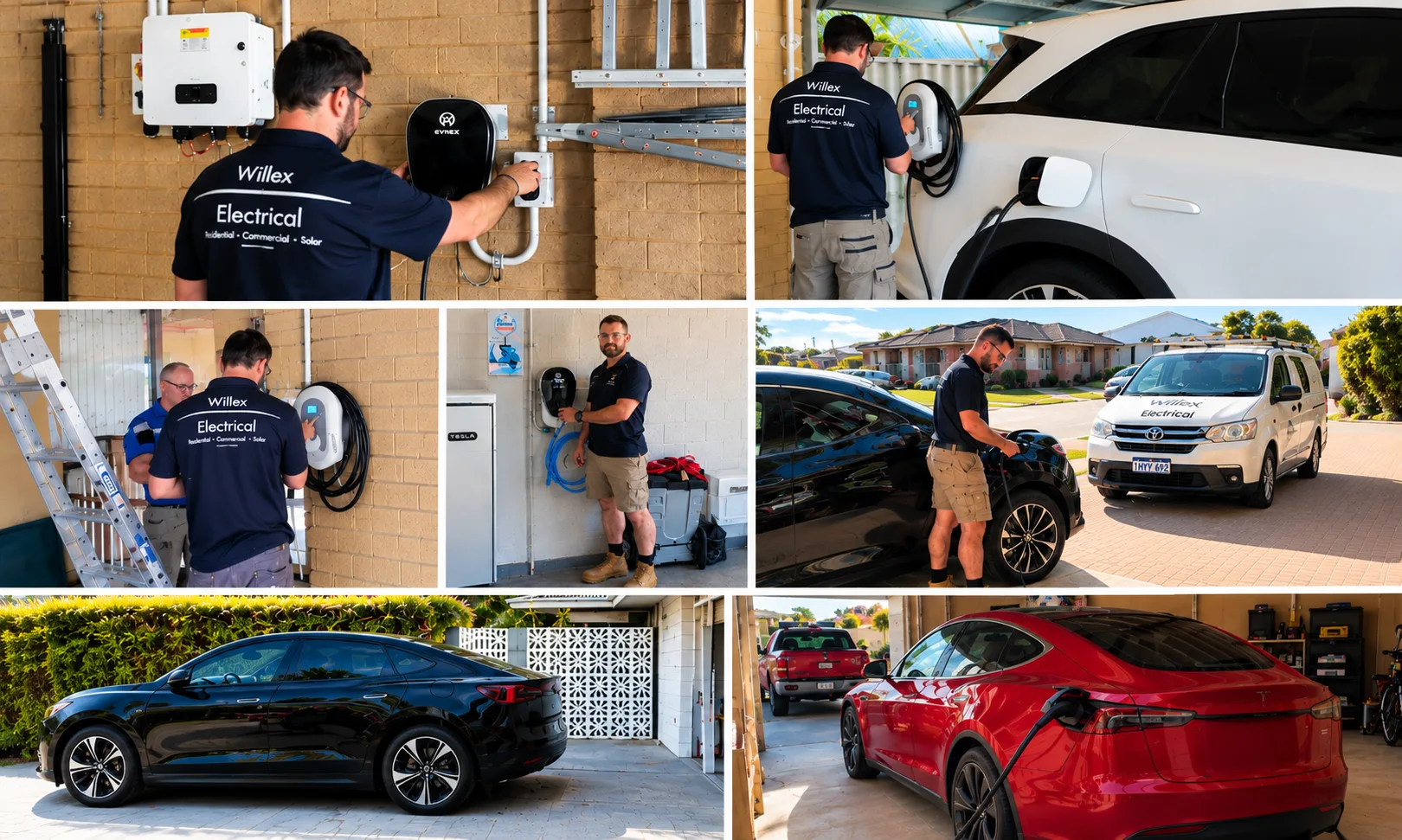
A home EV charger connects to your property’s electrical supply through a dedicated circuit. A licensed electrician should assess the existing electrical system, determine the appropriate protection and cabling, install the charger and complete testing and commissioning.
In Western Australia, electrical work must be carried out by appropriately licensed electrical workers. An electrical assessment can also identify whether your existing switchboard and wiring are suitable for the additional charging load.
A typical installation can include:
The exact installation will depend on the property, charger, vehicle and existing electrical infrastructure.
The appropriate charging capacity depends on your EV, daily driving habits and available electrical supply.
A 7kW AC home charger is a common option for residential EV charging. Faster 11kW or 22kW charging may require a suitable three-phase supply and a vehicle capable of accepting that charging rate.
Your EV’s onboard charger can also limit the maximum charging speed, so installing a higher-powered charger does not automatically mean your vehicle will charge faster.
Smart EV chargers can provide additional features such as charging schedules, energy monitoring and load management.
Your switchboard is an important consideration when planning an EV charging system.
Older properties may have limited capacity, outdated protection or insufficient space for additional electrical equipment. An electrician can inspect the switchboard and determine whether an upgrade or additional protection is required.
This is particularly relevant if your home already has significant electrical loads such as:
For homes with solar, a compatible smart charger may also be configured to use available solar generation, depending on the system and installation requirements.
The charger should be positioned where your vehicle can be parked safely and the charging cable can reach without creating a trip or access hazard.
During EV Charger Installation Rockingham, an electrician may consider:
The distance between the switchboard and charger can affect the installation method, cable requirements and overall electrical work involved.
Rockingham homeowners can choose from a range of compatible EV charging systems.
Common options include:
The appropriate charger depends on your vehicle, electrical supply, charging requirements and desired features.
For example, some homeowners may want solar integration, while others may prioritise smart scheduling, energy monitoring or dynamic load management.
EV charging involves significant electrical loads, so installation should be completed by a licensed electrical professional rather than treated as a DIY project.
When arranging EV Charger Installation Rockingham, ask the electrician about their licence, experience with EV charging systems, circuit protection, testing and electrical compliance documentation.
Willex Electrical is a locally owned Perth electrical and communications company providing residential, commercial and industrial electrical services across Perth and surrounding areas.
The company was founded by qualified electrician Cormac Cumiskey and operates under WA Electrical Contractor Licence EC14820. Willex also has experience with EV charging solutions including Tesla, Zappi and Evnex.
Its EV charger installations can include assessment of the existing switchboard, dedicated circuit installation, appropriate protection, charger setup, testing and commissioning. Where required, smart energy monitoring and load management can also be considered as part of the installation.
This practical approach helps ensure the charger is selected and installed around the property’s existing electrical infrastructure rather than treated as a one-size-fits-all installation.
Before booking an EV charger electrician, consider asking:
Getting these details checked before installation can help you plan a safe and practical home charging setup.
The cost depends on factors such as the charger selected, switchboard condition, cable distance, electrical capacity and installation complexity. A site assessment can provide a more accurate estimate for your property.
Yes, compatible EV chargers can work alongside residential solar systems. Some smart chargers can monitor available solar generation and adjust charging behaviour, depending on the equipment and installation configuration.
Yes. EV chargers can commonly be installed in garages or suitable outdoor areas. The installation location should take into account weather exposure, cable access, vehicle position, electrical regulations and the manufacturer’s installation requirements.