
If your safety switch keeps tripping Perth homeowners should not simply keep resetting it and carry on. A safety switch, also called a Residual Current Device (RCD), is designed to disconnect power when it detects an electrical fault or current leakage that could create a risk of electric shock.
For Perth homes, repeated tripping can be caused by something as simple as a faulty appliance or a more serious issue with wiring, moisture or the switchboard. Finding the cause is important for keeping your home safe.
A safety switch keeps tripping Perth households may experience for several reasons, including:
A damaged appliance, power board, extension lead or electrical cable can cause current leakage. If the problem starts when you switch on a particular appliance, unplug it and have it checked rather than repeatedly resetting the RCD.
Faulty electrical wiring, deteriorated insulation or damaged cables can create earth leakage. This can be particularly important in older Perth homes where electrical installations and switchboards may require inspection.
Water and electricity are a dangerous combination. Outdoor power points, lighting, pool equipment, bathrooms and areas exposed to rain can develop moisture-related electrical faults.
A problem within the switchboard, circuit or safety switch itself can also cause repeated tripping. An electrician may need to isolate circuits and carry out electrical testing to identify the source.
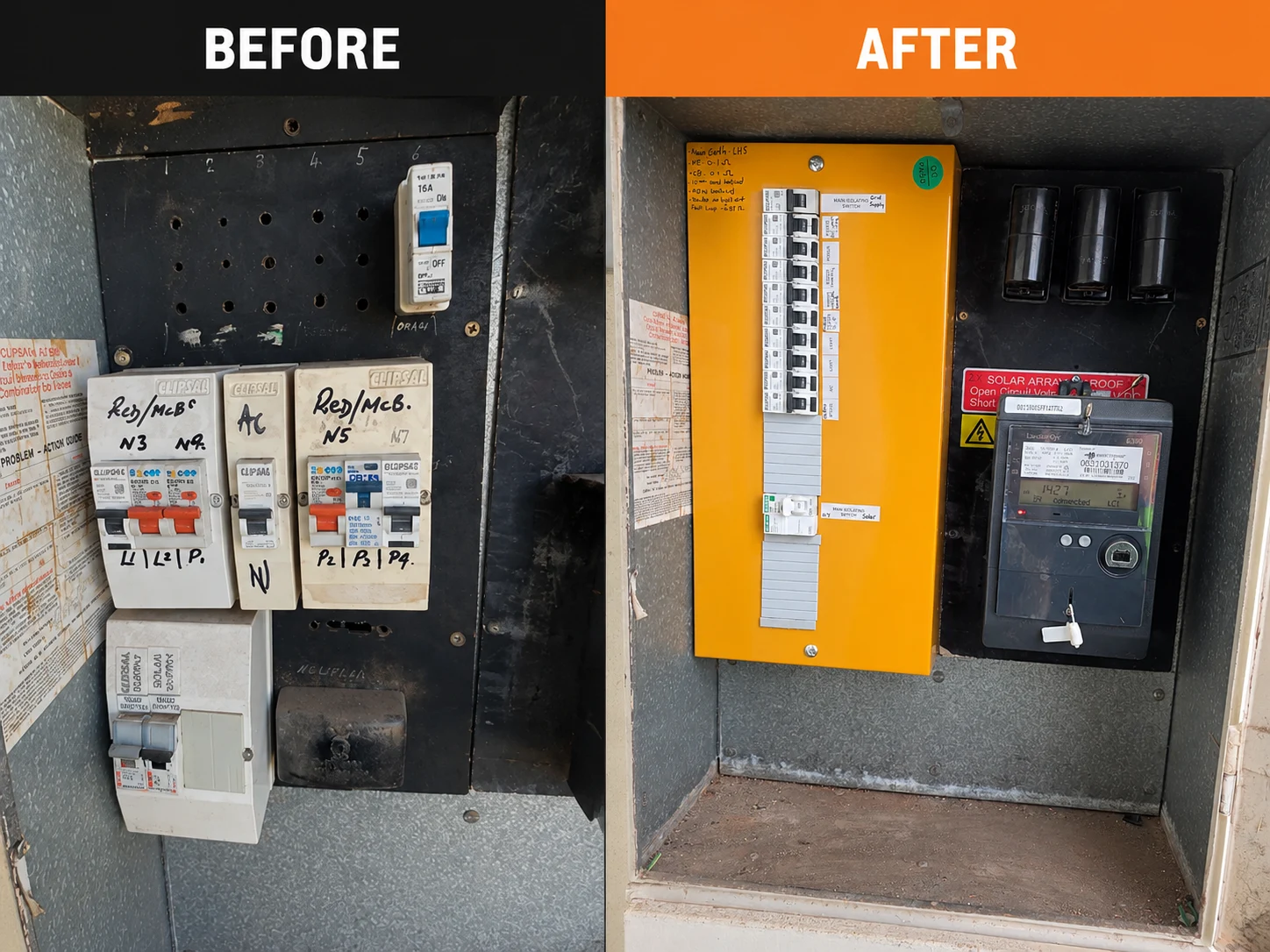
First, switch off or unplug appliances that may be associated with the fault. If the RCD resets and stays on, monitor the circuit. If it trips again, particularly without an obvious cause, avoid repeatedly resetting it.
Western Australia’s Building and Energy advises that RCDs should be regularly tested using their built-in test button, following the manufacturer’s instructions or at least every three months. If an RCD does not operate correctly or will not remain on after resetting, a licensed electrical contractor should investigate the problem.
If your safety switch keeps tripping Perth residents may notice the problem at a particular time of day. This can happen when equipment such as outdoor lighting, pool equipment, air conditioning or other appliances starts operating.
Intermittent electrical faults can be harder to identify because the circuit may appear normal between incidents. Professional electrical fault finding can help determine whether the issue is an appliance, circuit, wiring or switchboard problem.
A safety switch or RCD primarily monitors for current imbalance and helps protect people from electric shock. Circuit breakers and fuses are designed primarily to protect wiring and equipment against overloads and short circuits.
This means a repeatedly tripping safety switch should not automatically be treated as a simple overload.
You should arrange an electrical inspection if:
In Western Australia, electrical work must be carried out by appropriately licensed electrical workers. DIY electrical work and modifications to fixed wiring can present serious safety risks.
If your safety switch keeps tripping Perth homeowners can rely on Willex Electrical for professional electrical fault finding and switchboard inspections.
Willex Electrical is a locally owned Perth electrical contractor with WA Electrical Contractor Licence EC14820 and a team of qualified electricians servicing residential, commercial and industrial properties. Our approach is to identify the underlying electrical fault rather than simply resetting the switch and leaving the problem unresolved.
Depending on the issue, our electricians can inspect the switchboard, isolate affected circuits, test electrical components and identify potential wiring, appliance or earth leakage faults.
Where electrical work is required, Willex provides a professional service focused on safety, compliance and clear communication.
No. Repeatedly resetting an RCD without identifying the cause can leave an underlying electrical fault unresolved. If it will not stay on, contact a licensed electrician.
Building and Energy recommends testing RCDs according to the manufacturer’s instructions or at least every three months.
An inspection can be worthwhile if the switchboard is ageing, has limited protection, shows signs of damage or you are experiencing recurring electrical faults.