
Electric vehicles are becoming increasingly popular across Perth and the wider Western Australia region. Many drivers are switching to electric cars because they are quieter, cheaper to run, and better for the environment.
As more people buy EVs, the demand for home charging is growing quickly. Installing a home electric car charger Perth allows drivers to charge their vehicles conveniently without depending on public charging stations.
Home charging is simple. You plug the vehicle in overnight and wake up to a fully charged battery. For many homeowners, this is the most convenient way to keep their car ready for daily use.
However, before planning electric vehicle charger installation Perth, it is important to ensure your home is prepared. Electrical capacity, charger location, safety requirements, and installation costs all play an important role.
This guide explains the key things Perth homeowners should consider before installing an EV charger.
Electric vehicles are no longer a rare sight on Perth roads. Improvements in battery technology and government support for cleaner transport are encouraging more Australians to choose EVs.
Public charging stations are expanding across Western Australia, but many drivers still prefer the convenience of home charging.
Installing an electric car charger Perth offers several benefits:
Many homes across suburbs such as Joondalup, Subiaco, Fremantle, and O’Connor are now installing EV chargers as part of modern electrical upgrades.
For households that drive regularly, home charging quickly becomes part of the daily routine.
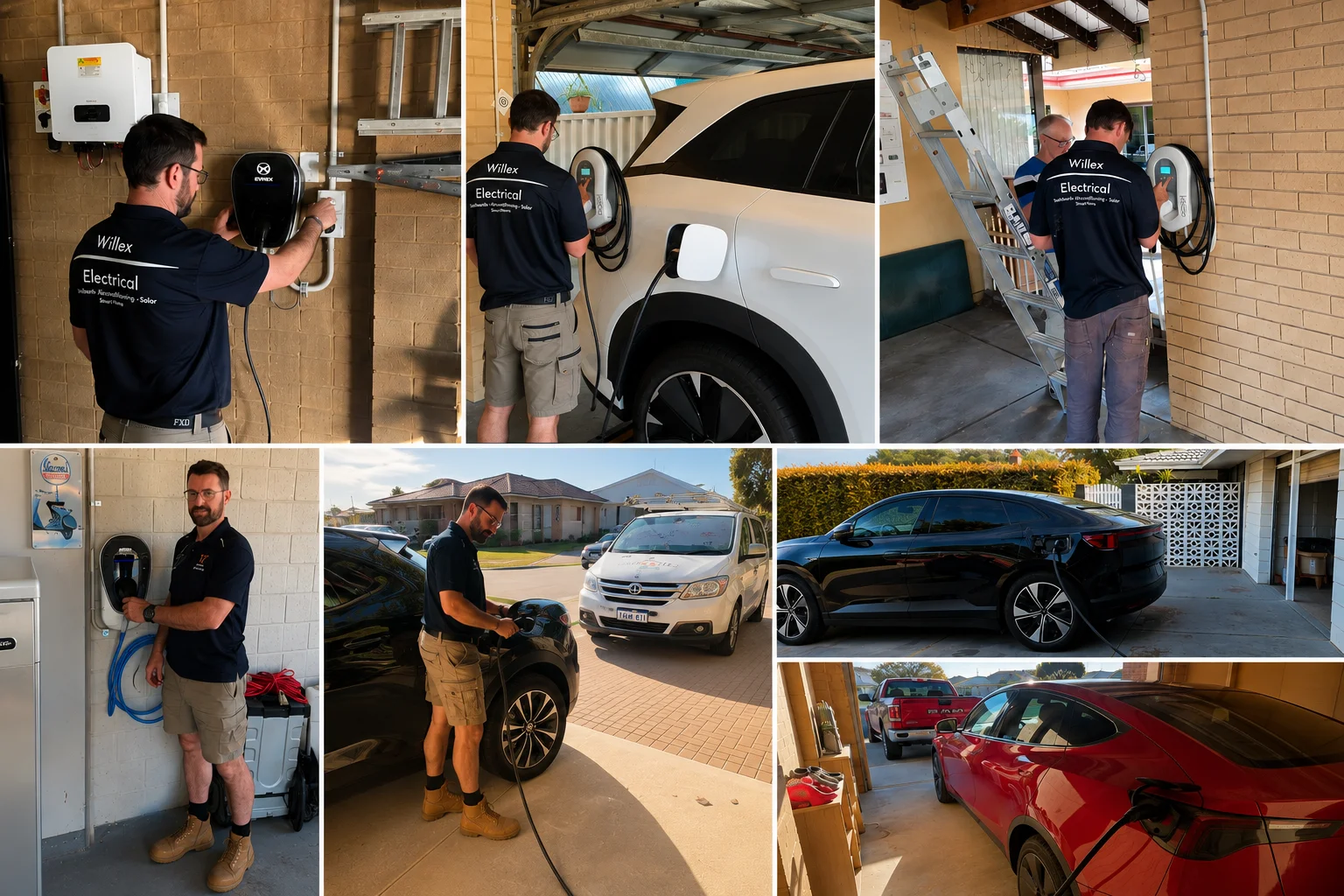
Before installing an electric car charger Perth, the first step is checking your electrical system.
EV chargers require more electricity than many common household appliances. Your home must have enough power capacity to support this extra demand safely.
A professional EV charger installer Perth will inspect the switchboard and electrical wiring before installation.
During this inspection, electricians usually check:
Most EV charger installations require a dedicated electrical circuit connected directly to the switchboard. This ensures the charger operates safely without affecting other appliances.
If the switchboard is outdated, the electrician may recommend upgrading it. A modern switchboard helps protect your home from electrical overload and improves safety.
The location of the charger is another important factor when planning EV charger installation Perth.
Most homeowners install chargers in places where the vehicle is parked regularly. Common installation locations include:
Selecting the right location improves both safety and convenience.
A suitable charger location should provide:
Keeping the charger close to the switchboard can also reduce installation costs because less wiring is required.
Electrical work in Australia must follow strict safety regulations. Every electric vehicle charger installation Perth must comply with national wiring standards and Western Australia electrical safety guidelines.
These regulations ensure that EV charging systems operate safely and do not place excessive strain on household electrical systems.
Typical requirements for installing an EV charger at home in Perth include:
Most residential installations do not require a separate council permit. However, all electrical work must still meet the EV charger installation rules Western Australia.
Working with an experienced electrician ensures that your charging system meets these safety standards.
Not all EV chargers are the same. Choosing the right charger is essential for creating a reliable home EV charging system.
Most residential properties install AC EV chargers. These chargers provide steady power and are ideal for overnight charging.
AC chargers are commonly used in homes because they are affordable and compatible with most electric vehicles.
Public charging stations often use DC fast chargers, which charge vehicles much faster. However, these systems require specialised electrical infrastructure and are usually installed in commercial locations.
Modern EV chargers also include advanced features such as:
Brands such as Schneider Electric offer reliable charging solutions including EVlink chargers, which support energy monitoring and smart charging control.
These technologies help homeowners create efficient and flexible charging setups.
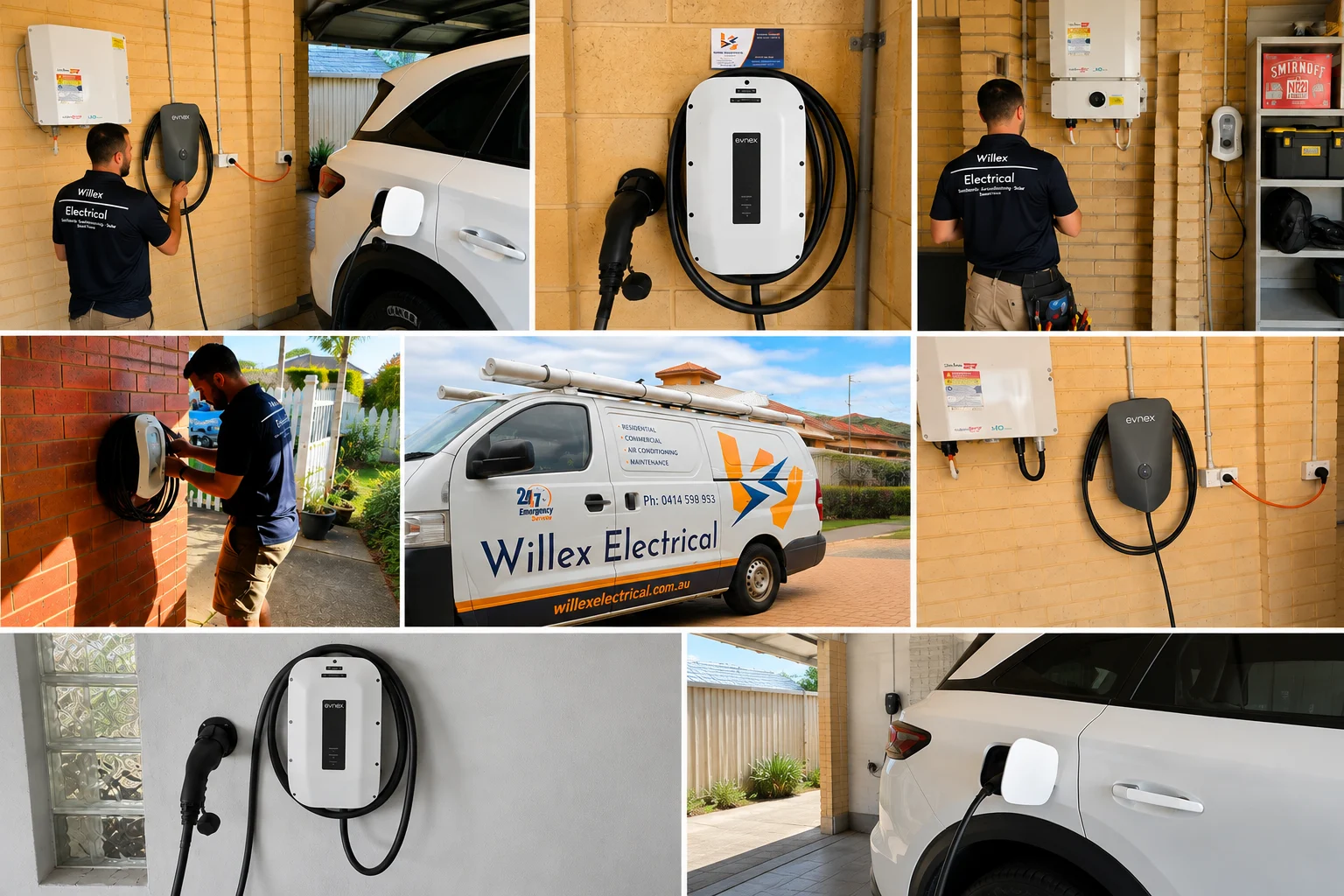
Many homeowners want to know the cost of EV charger installation Perth before planning the installation.
The total cost can vary depending on several factors, including the charger model, installation location, and electrical upgrades required.
Typical costs may include:
For most homes, the average EV charger cost in Perth ranges between $1,000 and $3,500, including installation.
Properties that require major electrical upgrades may have higher installation costs. However, home charging often saves money in the long term by reducing reliance on public charging stations.
Many EV owners find that charging at home is one of the most affordable ways to power their vehicles.
Installing an EV charger involves specialised electrical work. For safety reasons, the installation must always be completed by a licensed electrician.
A professional EV charging installation Perth ensures that the system is installed correctly and operates safely.
An experienced installer will:
Many homeowners across Perth choose experienced electrical companies for EV charger installations.
Companies such as Willex Electrical assist residents with safe and reliable charger installations that meet Western Australia safety requirements.
Professional installation also helps ensure the charger operates efficiently and lasts for many years.
Electric vehicles are expected to play an important role in Australia’s future transport system. As adoption continues to increase, home charging will become more common across Perth suburbs.
Installing an electric car charger in Perth today helps prepare your home for this growing shift toward electric mobility.
Home charging provides long-term advantages such as:
Many new homes and renovations now include EV charging station installation Perth as part of modern electrical design.
By planning your EV charging setup today, you can ensure your home is ready for the future of transportation.
Most residential installations do not require council approval. However, the work must be completed by a licensed electrician and comply with Western Australia electrical safety standards.
A typical residential installation takes around two to four hours, depending on wiring distance and switchboard capacity.
No. Australian electrical regulations require EV charger installations to be completed by a licensed electrician.
In many cases, yes. Charging at home often costs less per kilometre compared with many public fast-charging networks.