
Adding new electrical equipment to your home or business can increase demand on your existing power supply. Before installing equipment such as air conditioning, electric hot water systems or machinery, it is important to understand whether your electrical installation can accommodate the additional demand.
An electrical load assessment Perth property owners can arrange helps evaluate existing electricity usage, expected peak demand and the capacity available for future electrical requirements. It can also help identify whether changes to the electrical installation may be necessary.
An electrical load assessment evaluates how much electrical power a property uses and whether its electrical supply can support its current and proposed requirements.
A licensed electrician considers connected equipment, expected operating patterns, supply arrangements and maximum demand. Maximum demand refers to the highest level of electrical demand expected under relevant operating conditions, rather than simply adding together the wattage of every appliance.
This assessment can help homeowners, builders and business operators make informed decisions before expanding their electrical systems.
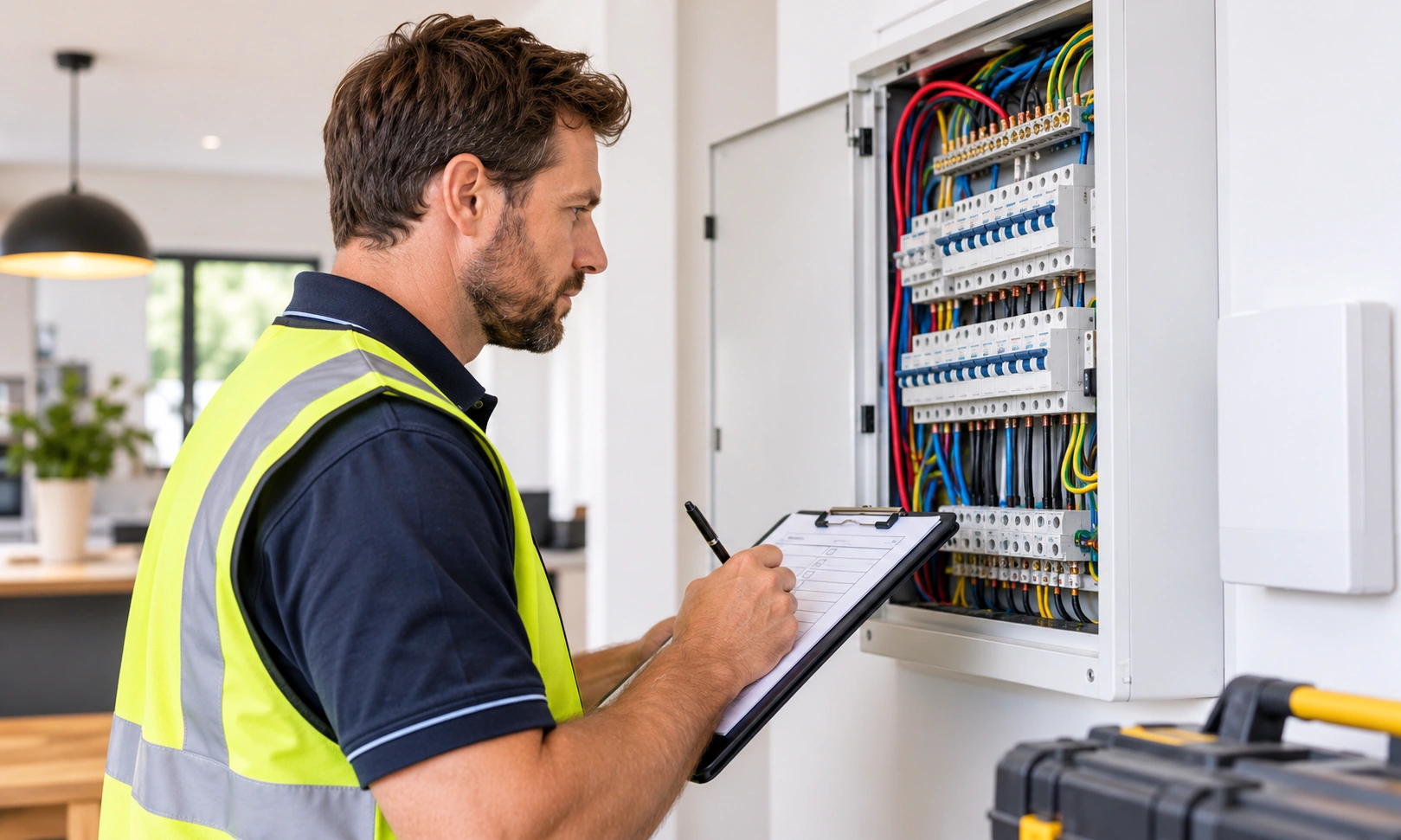
An assessment can be useful whenever a property’s electrical requirements are changing significantly.
Common situations include:
An electrical load assessment Perth electrician performs can help determine whether the existing installation is suitable for the proposed changes or whether further investigation is required.
The exact assessment depends on the property, existing installation and proposed electrical work. Relevant considerations may include:
The assessment should consider applicable requirements, including the AS/NZS 3000 Wiring Rules where relevant. A site inspection or further testing may be necessary to verify conditions that cannot be established from initial information alone.
An assessment does not automatically mean that major electrical upgrades are required. The appropriate solution depends on the property’s existing installation and the additional demand.
Possible recommendations may include improving load management, modifying electrical circuits, upgrading relevant equipment or investigating a change to the electricity supply arrangement.
For some properties, three-phase power may be worth considering when equipment requirements exceed what the existing supply can support. However, three-phase power is not necessary for every home or business, and its suitability depends on the calculated demand and equipment specifications.
Where a network-related change is required, Western Power requirements and the applicable connection process may also need to be considered.
Willex Electrical is a locally owned Perth electrical and communications company founded by qualified electrician Cormac Cumiskey in July 2021. Cormac brings over 20 years of hands-on electrical experience across residential, commercial, industrial and mining environments.
The company operates under Western Australian Electrical Contractor Licence EC14820 and has a team of 50 qualified professionals.
For an electrical load assessment Perth property owners can discuss with an experienced electrical contractor, Willex Electrical can help evaluate proposed electrical requirements and identify considerations that may affect the installation. Recommendations depend on the property’s actual conditions, applicable requirements and the equipment being introduced.
Clear advice before work begins can help property owners plan upgrades appropriately, understand potential costs and make better-informed electrical decisions.
Before expanding your property’s electrical usage, understand what your existing installation can support. Willex Electrical provides electrical services across Perth for residential, commercial and industrial properties.
Call 0414 598 952 or email [email protected] to discuss your electrical requirements and arrange an assessment.
Consider an assessment when planning renovations, installing major electrical equipment or increasing the operating demands of a commercial property. An electrician can help determine whether a formal assessment is appropriate.
No. A load assessment focuses on electrical demand and available capacity. A safety inspection focuses on relevant installation conditions and potential safety issues. Depending on the work, both considerations may be necessary.
It can help establish whether the existing supply is suitable for the proposed demand and whether a different supply arrangement should be investigated. The final decision depends on technical requirements and any applicable network approvals.